
TracTrac Flags Off Distribution of Mechanization Equipment to Formed Cooperatives in Nasarawa State
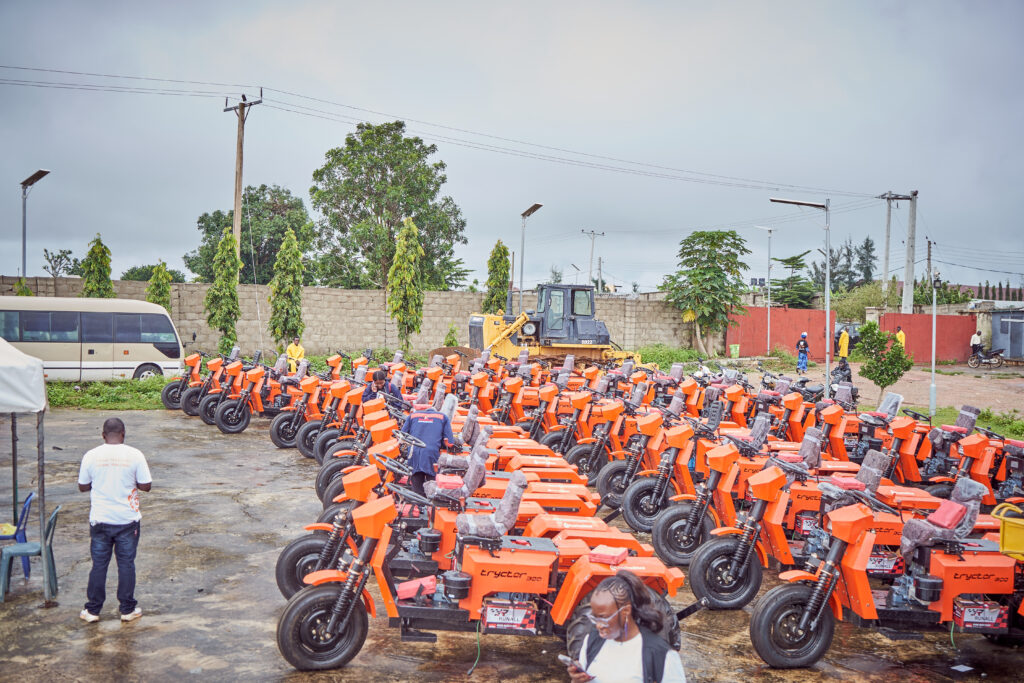
TracTrac officially flagged off the distribution of Tryctors, Planters, Disc Ploughs, Harrows and Tractor Buckets in Nasarawa state.
Inside Tractrac and Mastercard Foundation’s Partnership: Improving Smallholder Farmers’ Access to Small-Scale Agricultural Mechanization (ISSAM)

Imagine a future where 135,000 smallholder farmers, including women, youth, and people with disabilities, are empowered with modern agricultural tools and knowledge. An agricultural ecosystem with 6,054 new and existing mechanization service providers (MSPs) trained, equipped, and thriving across Nigeria and Sub-Saharan Africa. Over the next five years, Tractrac and the Mastercard Foundation are turning this vision into reality through the Improving Smallholder Farmers Access to Small-Scale Agricultural Mechanization (ISSAM) initiative.
The agricultural sector is the backbone of Nigeria’s economy
Improving Access to Agricultural Mechanization for Smallholder Farmers using Technology.

Food Production involves a wide range of complex procedures such as land clearing, planting and weeding, harvesting, transportation, processing, storage, and consumption. This process requires mechanization and technological inventions to improve and facilitate production as well as increase productivity. According to a study published by the International Conference of the West African Society of Agricultural Engineering, 90% of farmers in Nigeria conduct farm operations using hand tool technologies and traditional agricultural methods. This is because many farmers lack
Why farmers need mechanization services
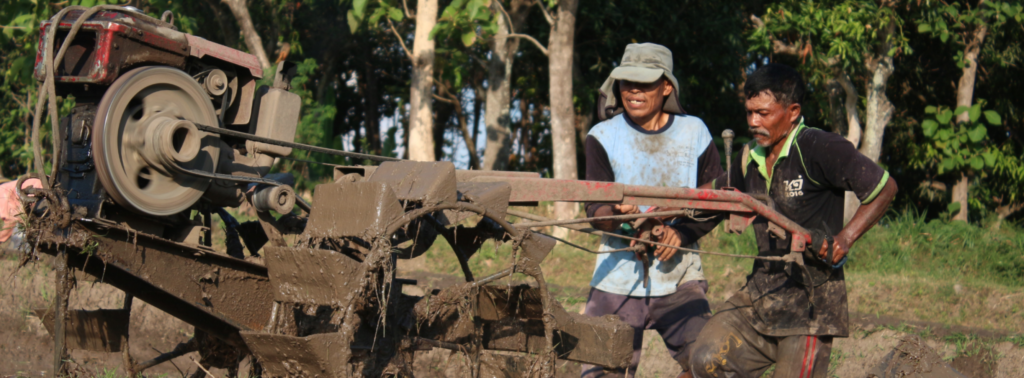
Smallholder farmers in Nigeria still operate within an obsolete and backward agricultural system commonly known as subsistence farming: making use of crude implements such as hoes, cutlass, and animals despite the growing demand for increase in food production
The procedures and implements used in the farming system largely determine the progression level of that system. There has been a push for advanced mechanization in the Nigerian farming system. Smallholder farmers in Nigeria still operate within an obsolete and backward agricultural system
Importance of agricultural mechanisation
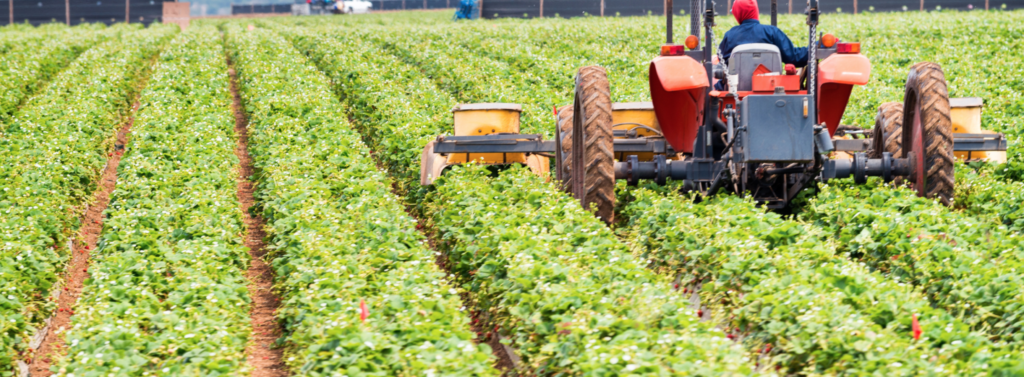
Daily records show there is a high level of hunger in the country. Eating just one unbalanced meal a day is the norm for many families. The most reliant field, agriculture, yields no significant impact. FAO points out that agricultural mechanization involves three levels: human-powered sources, animal-power-based mechanization, and engine-powered machines. While many countries are at the machinery and technological stage, African countries are still at the first stage: “human powered sources”. This stage is characterized by the replacement of animate power with mechanical power from internal combustion engines or