
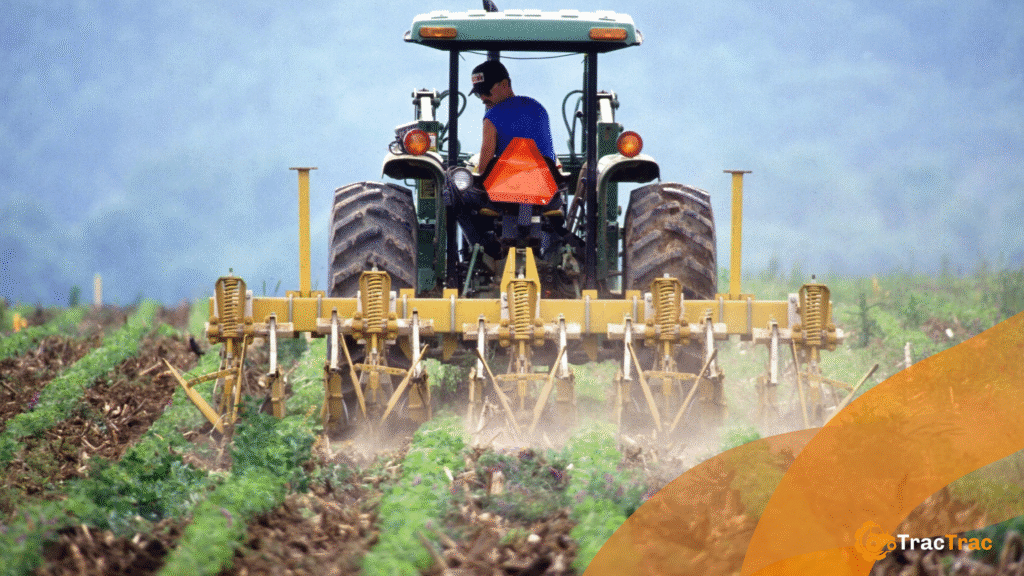
Tractor horsepower is one of those things you must understand before you purchase any tractor. Ultimately, the tasks you perform on your farm will guide you in making this decision and understanding how the horsepower will affect performance.
But what does horsepower even mean? Let’s dive into it.
Horsepower is simply a fancy way of saying how strong a tractor is. The term was introduced by engineer James Watt in the late 18th century.
In this era, people used real horses to pull heavy things on farms. So, we now measure a tractor’s strength by comparing it to how many horses it would take to do the same job.
A tractor with 50 horsepower (HP) is like having 50 strong horses helping you.
A tractor with 100 HP means it is even stronger like having 100 horses.
In mechanical terms, one horsepower equals 33,000 foot-pounds of work per minute.
Although the concept might seem complex, calculating horsepower is actually straightforward.
Here’s the formula:
Horsepower = (Torque × RPM) ÷ 5252
RPM (revolutions per minute) measures how fast the engine is spinning. The constant ‘5252’ represents the RPM point where torque and horsepower values are numerically the same.
Not all horsepower is the same. Tractors typically have two types of horsepower: engine horsepower and PTO horsepower. Each plays a different role in how the tractor performs on the farm.
- Engine Horsepower
This is the total power produced by the tractor’s engine. It tells you how much raw power the tractor has available to move itself and perform heavy-duty tasks. The higher the engine horsepower, the more capable the tractor is when it comes to tasks like ploughing, pulling large implements, or moving heavy trailers.
For instance a 75 HP engine tractor can comfortably pull a four-disc plough across mid-sized farmland without straining the engine. This makes it ideal for small to medium commercial farms or MSPs working across multiple communities.
- PTO Horsepower (Power Take-Off)
PTO horsepower refers to the amount of usable power sent to implements attached to the tractor. This is what drives tools like rotavators, sprayers, planters, or threshers. PTO horsepower is always lower than engine horsepower because some power is lost between the engine and the PTO shaft.
A tractor with 80 engine HP might deliver only 65 PTO HP. That 65 HP is what powers a boom sprayer, a hammer mill, or a rotary tiller. For mechanized spraying on a 10-hectare tomato farm, this level of PTO power ensures the work is done efficiently without delays or machine failure.
Tractor horsepower directly influences what a machine can do, how long it can do it, and how efficiently it uses fuel. Whether you’re pulling implements or powering them, the type and amount of horsepower determine the tractor’s performance in the field.
As a farmer or Mechanization Service Provider (MSP), think about the kind of work you need to get done. For example:
- Pulling heavy implements like ploughs or harrows
- Carrying full trailers across uneven terrain
- Working on sloped or bumpy farmland
- Running powered tools like sprayers, tillers, or harvesters
A tractor with low horsepower may struggle, stall, or burn more fuel trying to complete these tasks. But a high-horsepower tractor handles them faster, more efficiently, and without damaging the engine. It’s like using a strong pickup truck to tow a load instead of a small car.
But here’s where it gets important to know the two types of horsepower:
- Engine horsepower is the total power the tractor uses to drive itself and pull heavy loads.
- PTO (Power Take-Off) horsepower is what powers your attached implements, everything from a planter to a rice thresher.
So, how does this affect your decision?
If your primary tasks involve pulling (like ploughing or transporting), focus on the engine horsepower. If your work depends more on powered implements (like spraying or milling), make sure the PTO horsepower matches the tool requirements.
Farmers and MSPs who understand the difference can avoid buying the wrong machine, save on fuel costs, and get better results in the field.
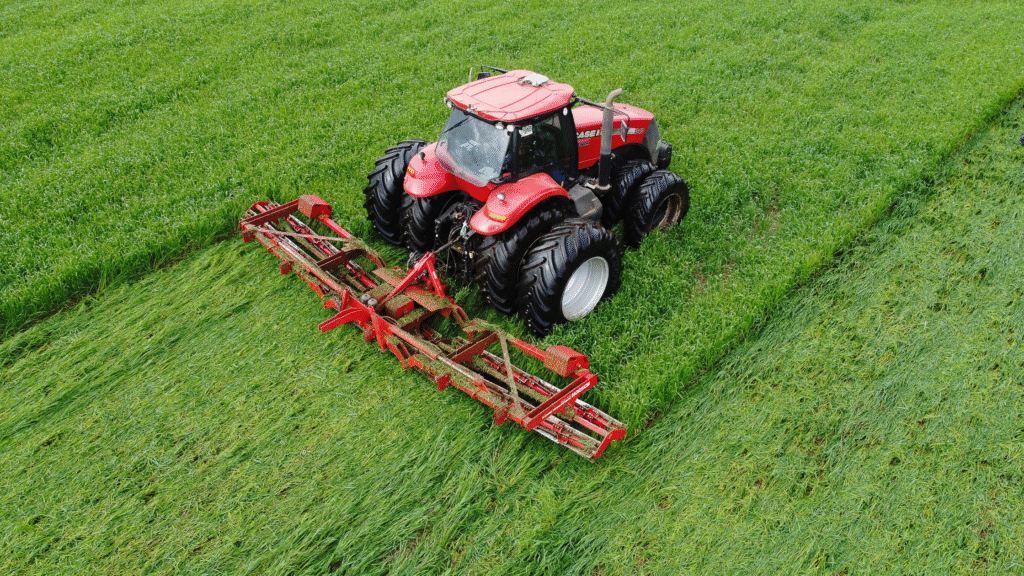
| Horsepower (HP) | Farm Size | What It Can Do | Work Time Before Break | Best For |
| 15 – 25 HP | Tiny farms (1–5 acres) | Light tasks: garden tilling, mowing grass | 2–3 hours | Home gardens, hobby farms |
| 30 – 50 HP | Small farms (5–15 acres) | Tilling, planting, spraying | 4–5 hours | Vegetables, orchards |
| 55 – 75 HP | Medium farms (15–30 acres) | Ploughing, planting, light harvesting | 6–8 hours | Small crop farms |
| 80 – 120 HP | Large farms (30–80 acres) | Heavy-duty work: tilling, pulling machinery | 8–10 hours | Grain crops, multi-crop farms |
125 – 200+ HP | Very large farms (80+ acres) | Pulling big harvesters, heavy ploughs, trailers | 10–12 hours | Commercial-scale farming |
Notes:
- Work time depends on fuel tank size and heat, tractors need breaks like we do.
- Bigger tractors can cover more land faster and pull heavier tools.
- For mechanization service providers (MSPs), higher horsepower means more jobs per day and better efficiency.
Also Read: How to Choose the Right Tractor for Your Farm
What’s the difference between Tractor horsepower and Torque and why does it matter in mechanized farming?
When it comes to selecting the right tractor, many farmers and mechanization service providers focus on horsepower (HP) just as we’ve done in this article. While horsepower is important, it’s only half the equation. An often-overlooked but equally critical factor is torque.
Let’s break it down in simple terms:
What is Torque?
As we’ve established, Horsepower refers to how much work a tractor can do over time. It’s a measure of power output, which directly affects how quickly a tractor can perform a task. The higher the horsepower, the more energy the tractor can deliver, especially at higher speeds.
Torque on the other hand is the twisting force that turns the wheels and pulls heavy loads. It tells us how much “grunt” the tractor has at low speeds. A tractor with high torque can start pulling a heavy load from a stop and keep going even on rough terrain.
Think of it like this:
Horsepower is how fast you can run with a sack of yams.
Torque is how strong your legs are to lift the sack off the ground in the first place.
So, a high-horsepower tractor might move quickly, but without enough torque, it can struggle to start or maintain power under heavy loads.
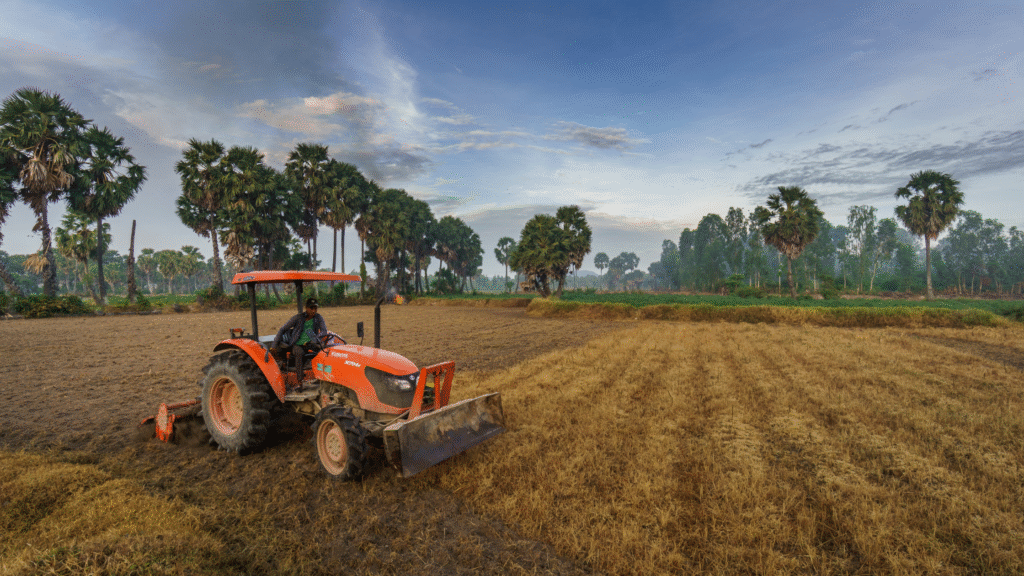
If you’re working on a large farm or you’re a mechanization service provider (MSP) serving multiple farmers, a high-horsepower tractor is a smart investment. These machines are built to run for long hours and handle heavy-duty tasks like ploughing, harrowing, or pulling large planters, without putting too much stress on the engine.
For instance, a 100+ HP tractor can easily pull a disc harrow through 20 acres of compacted clay soil in a day, something a 40 HP machine would struggle with or take days to complete.
In market systems where mechanization services are provided to smallholder farmers, efficiency, reliability, and cost-effectiveness are key. A tractor with high torque and moderate horsepower might be better suited for rugged or clay-heavy soils, while high horsepower with balanced torque is ideal for time-sensitive harvesting across large farms.
For example, in Northern Nigeria, where dry, compacted soils are common, torque becomes the deciding factor for MSPs.
Expert Tip💡: A tractor with moderate HP but high torque and efficient PTO can outperform a high-HP model with poor transmission or weak hydraulics—especially in rugged or variable conditions.
Frequently Ask Questions (FAQs)
How much horsepower (HP) do I need in a tractor?
The amount of horsepower you need depends on the size of your farm, the type of crops you grow, and the implements you use. Here’s a general guide:
| Farm Size | Recommended HP | Use Case |
| 1–5 acres | 15–25 HP | Gardens, orchards, light tillage |
| 5–15 acres | 30–50 HP | Row crops, planting, spraying |
| 15–30 acres | 55–75 HP | Deep tillage, pulling medium implements |
| 30+ acres | 80–120+ HP | Large-scale ploughing, heavy-duty tasks |
For Mechanization Service Providers (MSPs), a minimum of 75 HP is recommended to handle various terrain and tool demands across multiple farms.
Expert Tip: Clay soils or sloped land often require higher torque and more HP. Don’t just buy based on land size—consider your soil type, slope, and daily work schedule.
What makes a tractor more powerful?
Tractor power isn’t just about horsepower. True power comes from a combination of three key factors
- Engine Horsepower (HP): Determines the tractor’s ability to do work over time.
- Torque: Provides pulling force—especially important for low-speed, high-resistance jobs like ploughing.
- Power Take-Off (PTO): Supplies energy to implements like sprayers, harvesters, or rotary tillers.
Additional features like hydraulic capacity, traction control, and transmission type also contribute to performance.
What are the factors affecting the performance of tractors?
Several factors influence how well a tractor performs on the field. These include:
- Soil Type: Wet, heavy, or compacted soils require more torque and traction.
- Implements Used: Larger or heavier tools require higher HP and hydraulic support.
- Topography: Slopes and uneven terrain reduce traction and strain the engine.
- Maintenance Practices: Poorly maintained tractors lose efficiency and break down more often.
- Operator Skill: Trained tractor operators can maximize fuel efficiency, reduce wear, and complete tasks faster.
- Fuel Quality: Low-quality diesel can clog injectors and reduce power output.